
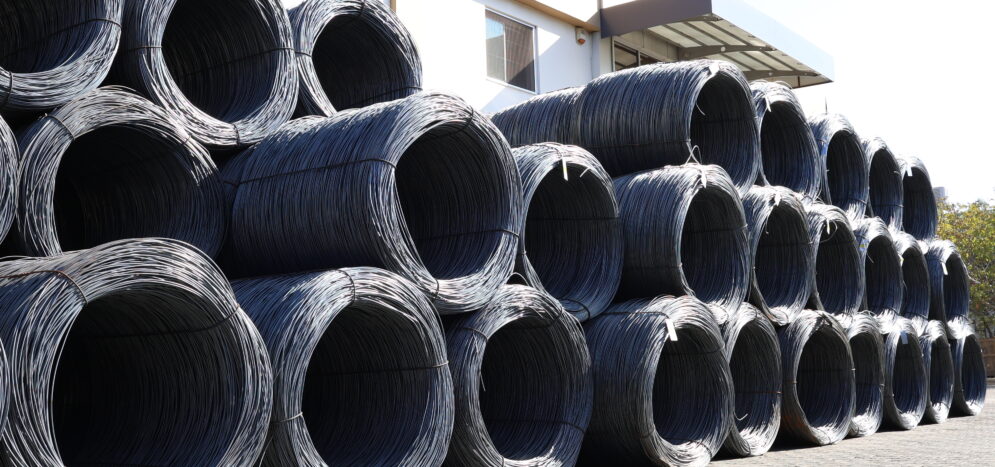
Choosing the right steel wire for appliances is a specification decision that quietly shapes the quality, cost and lead time of everything from oven grills to refrigerator baskets. For procurement managers and quality engineers who buy or specify wire, the raw material decides whether a finished rack welds cleanly, coats evenly and holds its shape under repeated heat and load. This guide walks through what oven grills, racks and baskets actually demand from the wire, and how to specify it so parts pass inspection the first time.
Why appliance wire is a specification, not a commodity
Household appliance parts live a demanding life. Oven grills cycle through hundreds of degrees and back; dishwasher and refrigerator racks flex under load and resist moisture for years; baskets get pushed, pulled and reloaded thousands of times. When the wire feeding those parts varies in diameter, tensile strength or surface finish, the problems show up downstream, not at goods-in. Weld nuggets become inconsistent, powder or epoxy coating adhesion drifts, and automated bending equipment throws more scrap.
That is why serious appliance manufacturers treat wire as an engineered input. The three levers that matter most are the steel grade, the mechanical properties (tensile strength and temper), and dimensional and surface consistency reel to reel. Get those locked down and traceable, and the rest of the line behaves predictably.
Oven grills, racks and baskets: what each part demands
Oven grills and cooking grates
Grills and grates need wire that resists sagging at temperature and welds reliably at every intersection. Cold-drawn low-carbon wire in the SAE 1006 to 1010 range is the common choice: clean, weldable, and available in bright or super-bright finishes that suit chrome plating or high-temperature coatings. For grates that see repeated thermal cycling, consistent tensile strength across the coil keeps the geometry stable so the grill sits flat after firing.
Refrigerator and dishwasher racks
Racks are all about clean welds and coating adhesion. The wire has to accept epoxy, PVC or nylon coatings without pinholes, which means a controlled, contaminant-free surface. Softer tempers bend into complex rack geometries without cracking, so annealed wire is often specified where formability matters more than rigidity. Tight diameter tolerance keeps weld parameters constant across a high-volume line.
Baskets, trays and wireware
Baskets and trays balance formability with enough stiffness to carry load without permanent deformation. Here the temper is dialled in to the design: too soft and the basket sags, too hard and it springs back or fractures at tight bends. Cut-to-length wire supplied in fixed lengths (roughly 70 to 3,000 mm) also removes a cutting operation from the customer’s line and reduces offcut scrap.
Wire types and grades that fit appliance production
A capable wire partner should cover the full range of appliance parts from one plant. The core options to specify from include:
- Cold-drawn wire — Ø1.00 to 14.00 mm, SAE 1006/1008/1010, to TS EN 10218, in bright, super-bright or black finish, tensile 500 to 1050 N/mm2. The workhorse for grills, grates and structural rack members.
- Annealed wire — Ø1.00 to 12.00 mm, full or inter-annealed, to DIN EN 10016 / TS 2348. Chosen when soft temper and easy forming are the priority for racks and baskets.
- Cut-to-length wire — Ø1.00 to 10.00 mm, cut 70 to 3,000 mm, to remove a straightening and cutting step from your process.
- Flat bar wire — custom width by thickness for handles, edges and flat wireware profiles.
- Condenser / bundy-tube wire — Ø1.20 to 4.00 mm, coat-ready, for refrigeration and cold-chain assemblies.
You can see the full range and diameter windows on the OSSO Wire precision steel wire product range, and browse real coils and finishes in the production and product gallery.
Coating, welding and dimensional consistency
Most appliance wire is coated, plated or painted after welding, so the surface you receive dictates the surface the customer sees. A clean, uniform finish free of drawing residues gives the most reliable coating adhesion, while consistent diameter keeps resistance-welding current and time within a narrow band. Ask any prospective supplier three practical questions: Is every heat and lot traceable? Can they issue EN 10204 3.1 inspection certificates against your grade and tensile range? And how tight is their reel-to-reel tolerance in practice, not just on the datasheet? Heat- and lot-traceable material with 3.1 certification lets your quality team close out incoming inspection quickly and defend the part if an audit ever asks.
Sourcing steel wire for appliances from Türkiye
For appliance makers in Europe and North America, a Türkiye-based manufacturer sits in a practical sweet spot: closer and more responsive than Far East supply, yet cost-competitive against Western European mills. OSSO Wire has drawn wire since 1983 and runs a 7,000 m2 plant in Manisa with capacity of around 2,500 tonnes per month, exporting steel wire for appliances across Europe, the Middle East, Africa and the Americas. Lead times typically run two to four weeks, and orders ship against EN 10204 3.1 certificates so your paperwork lands with the goods. For European buyers that means short logistics and familiar standards; for North American buyers it means a stable, English-speaking source that understands appliance tolerances.
Frequently asked questions
Which grade of steel wire is best for oven grills and racks?
For most oven grills, refrigerator and dishwasher racks, cold-drawn low-carbon wire in the SAE 1006 to 1010 range is the standard choice because it welds cleanly and coats well. Where the part needs to bend into complex shapes, an annealed (softer temper) wire is usually specified instead. The right answer depends on your weld method, coating and load, so it is worth sharing the drawing and expected duty with your supplier.
Can I get inspection certificates and full traceability?
Yes. OSSO Wire supplies heat- and lot-traceable material with EN 10204 3.1 inspection certificates, tested against TS EN 10218, DIN EN 10016 or TS 2348 as applicable. That gives your quality team documented proof of grade, diameter and tensile properties for incoming inspection and audits.
What diameters and finishes are available for appliance wire?
Cold-drawn wire runs Ø1.00 to 14.00 mm in bright, super-bright or black finish, with annealed and cut-to-length options in narrower windows. Finish and tolerance are matched to your coating and welding process, so tell us how the part is finished and we will recommend the specification.
Ready to specify the right steel wire for appliances for your next production run? Request a quote and our team typically responds within one business day with grades, tolerances and lead time, complete with EN 10204 3.1 certificates. Prefer to talk it through first? Contact the OSSO Wire team and we will help you match wire to part.